

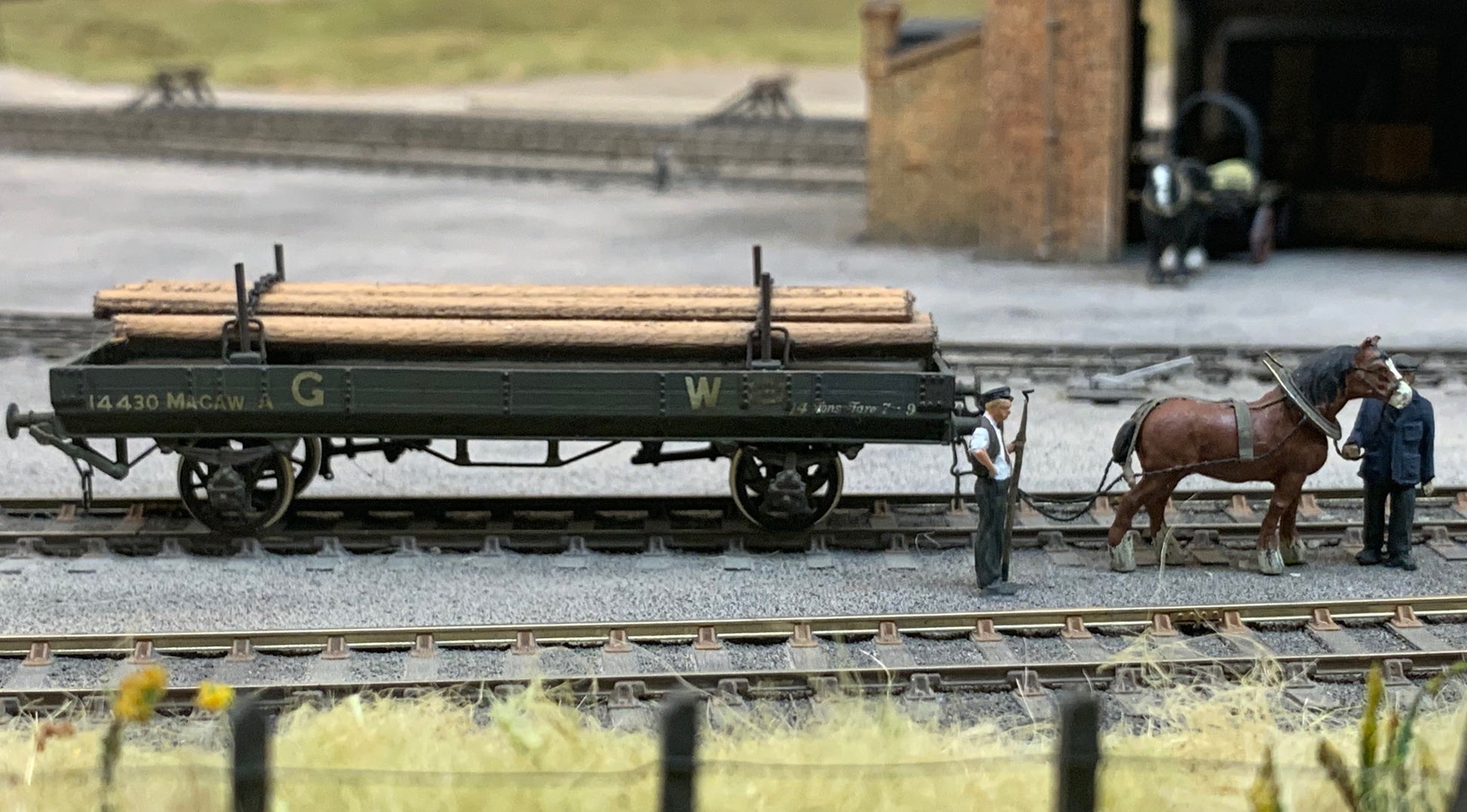
SHUNTING
Shunting was an essential part of railway goods operations, allowing wagons to be sorted within goods yards, marshalling yards, depots and industrial sidings.
Large yards usually employed one or more dedicated shunting locomotives, while smaller locations often relied on the locomotive that had brought in the goods train.
Wagons could also be moved by horses, tractors, capstans or simple hand tools, depending on the size of the yard and the work being carried out. These movements were carefully controlled by shunters, who operated points, coupled and uncoupled wagons, applied brakes and signalled instructions to locomotive crews.
Image courtesy of Pendon Museum
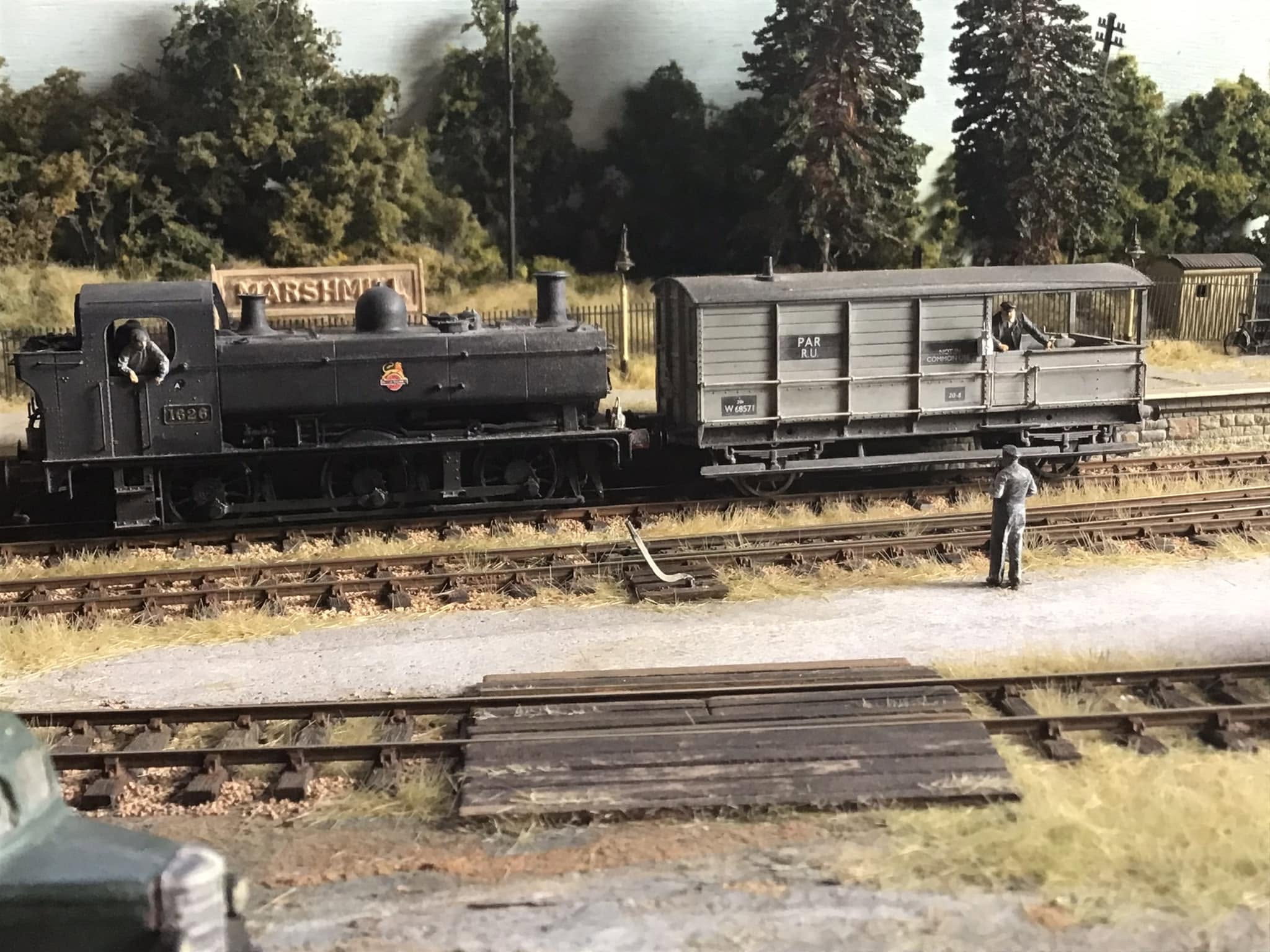
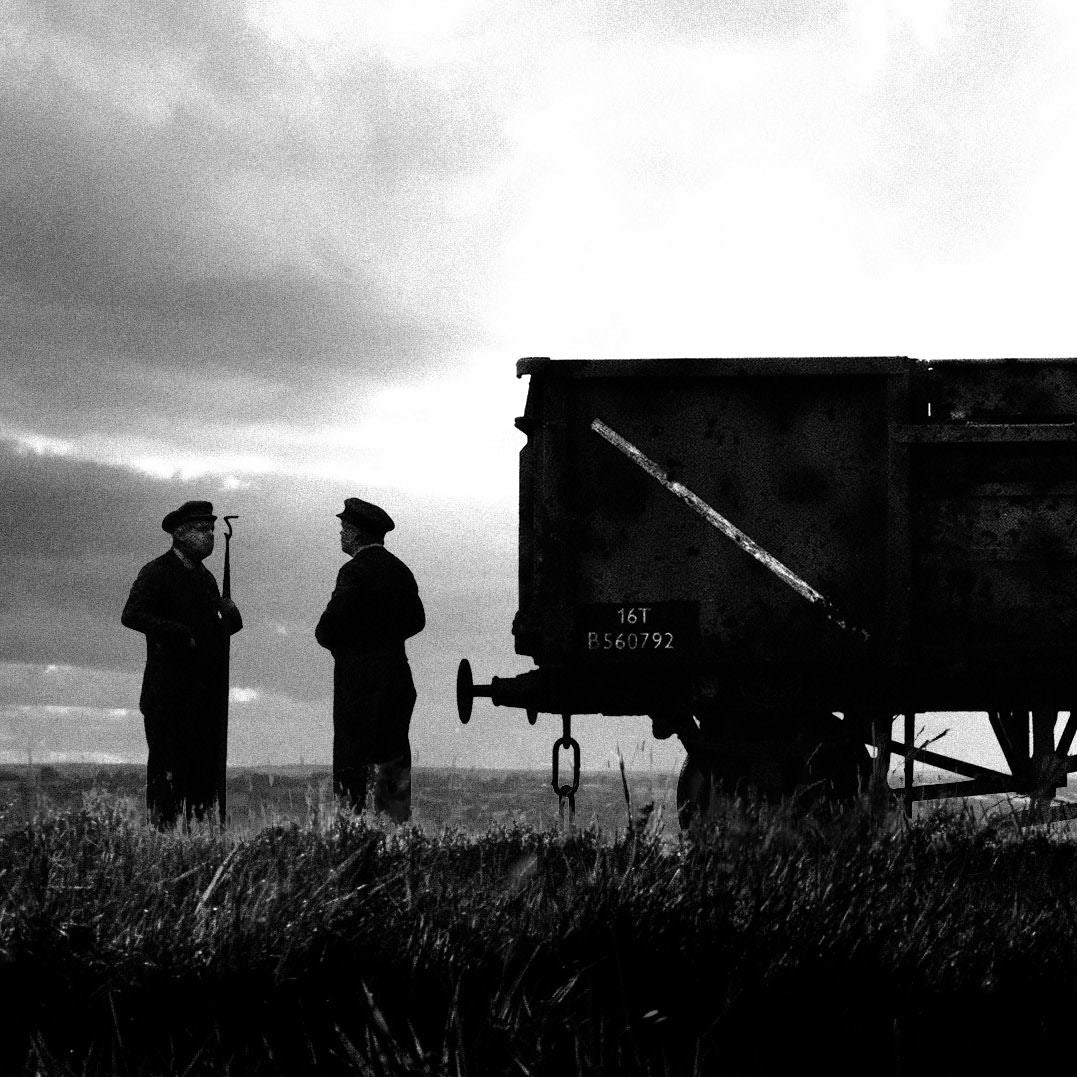
STEAM ERA SHUNTING STAFF
The shunter was responsible for helping to move, couple and uncouple wagons safely within goods yards, marshalling yards, locomotive depots and industrial sidings. Working closely with locomotive crews, shunters operated points, applied wagon brakes and used hand signals to control movements around the yard.
Image courtesy of Ian C


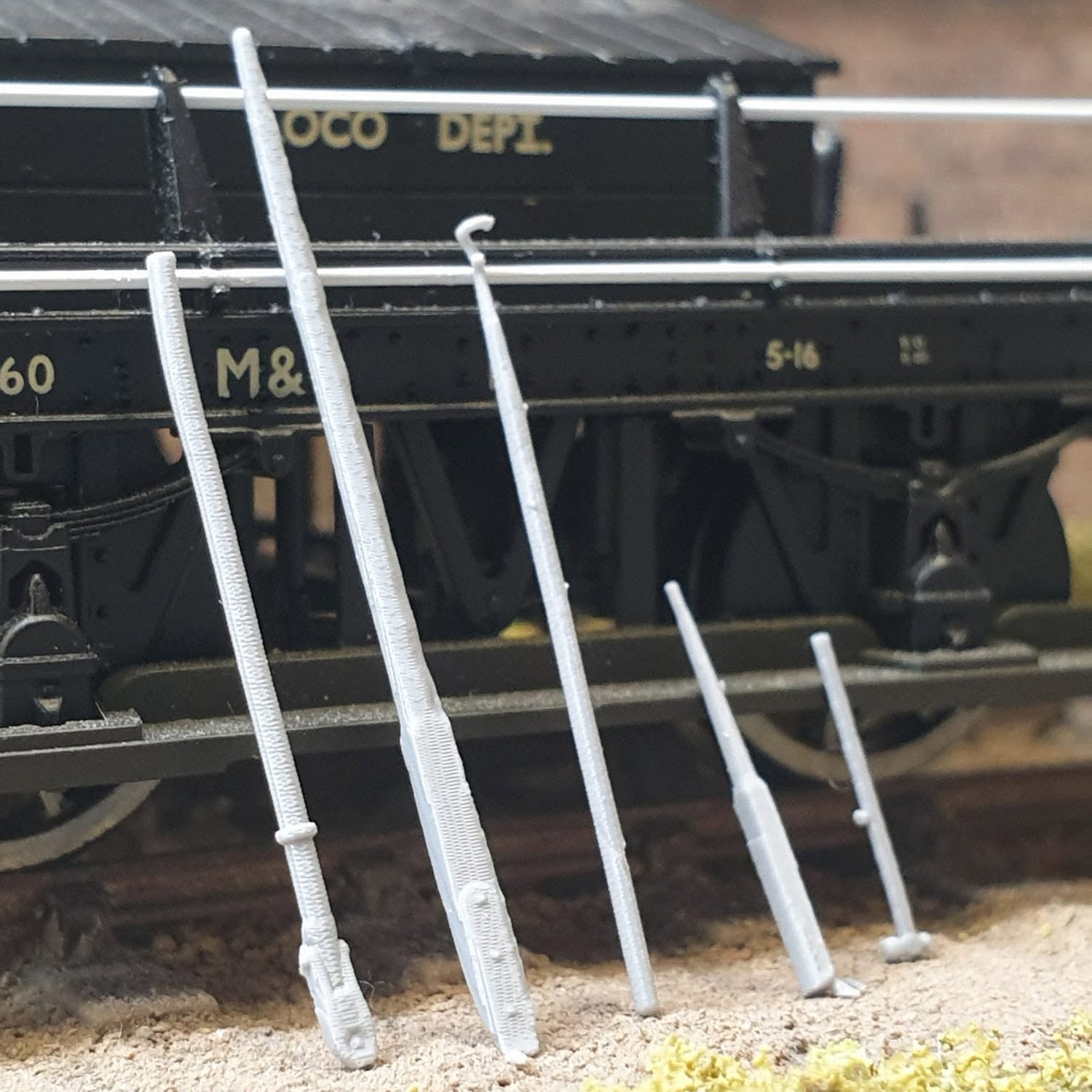
SHUNTING EQUIPMENT
One of the shunter’s most recognisable tools was the shunter’s pole, a hooked wooden pole used to lift couplings without stepping between wagons. Brake sticks provided leverage when applying or releasing handbrakes, while pinch bars helped start or position wagons by hand.
Including these tools in a model scene helps show how much yard work relied on physical effort as well as locomotive power.


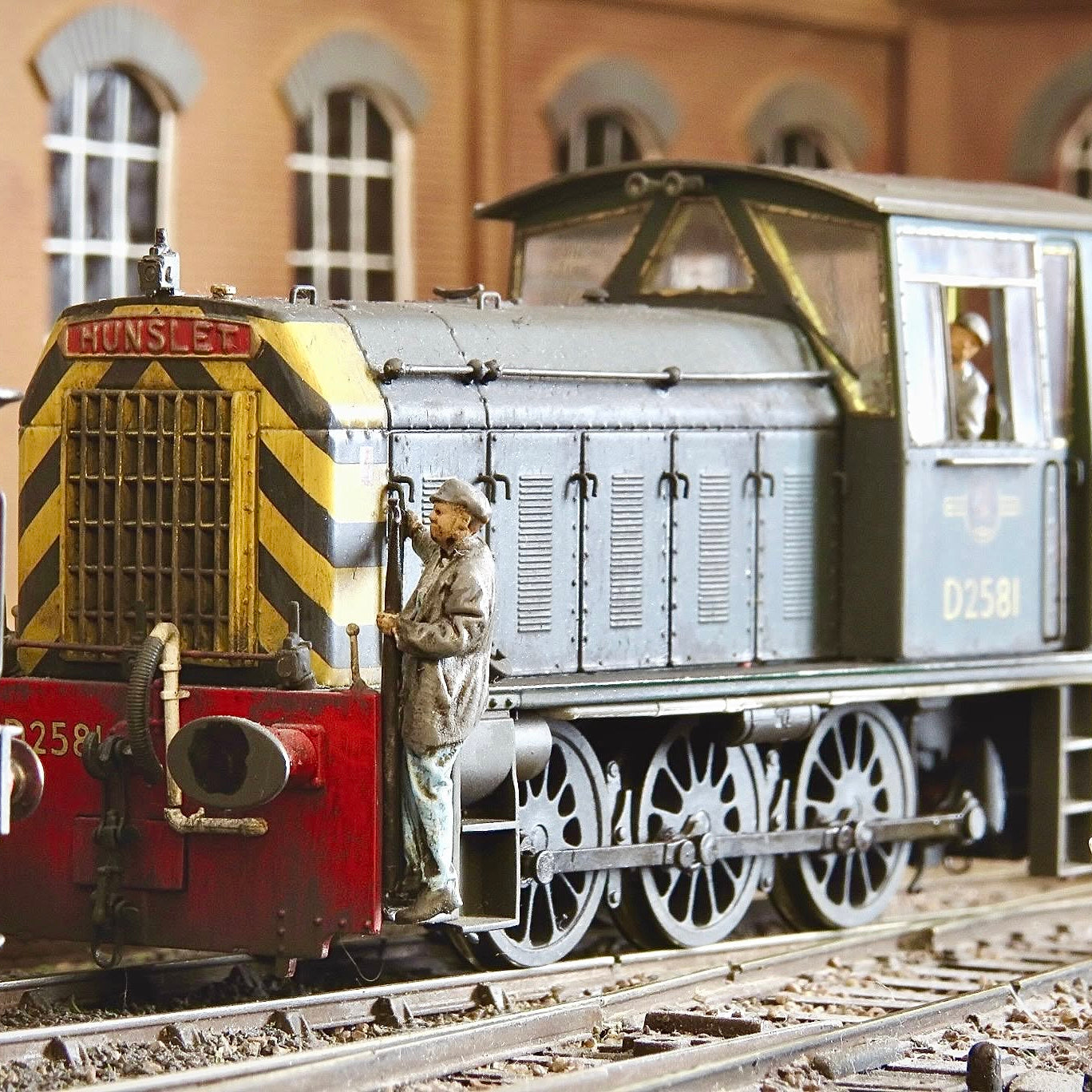
MOVING AROUND THE YARD
Shunters often needed to move quickly around busy yards, riding on purpose-built shunter’s trucks (also used to store equipment and tools) or the steps of locomotives. This allowed them to reach points, couplings and brakes quickly while remaining visible to the driver and giving hand signals during movements.
Image courtesy of Boleyn Road


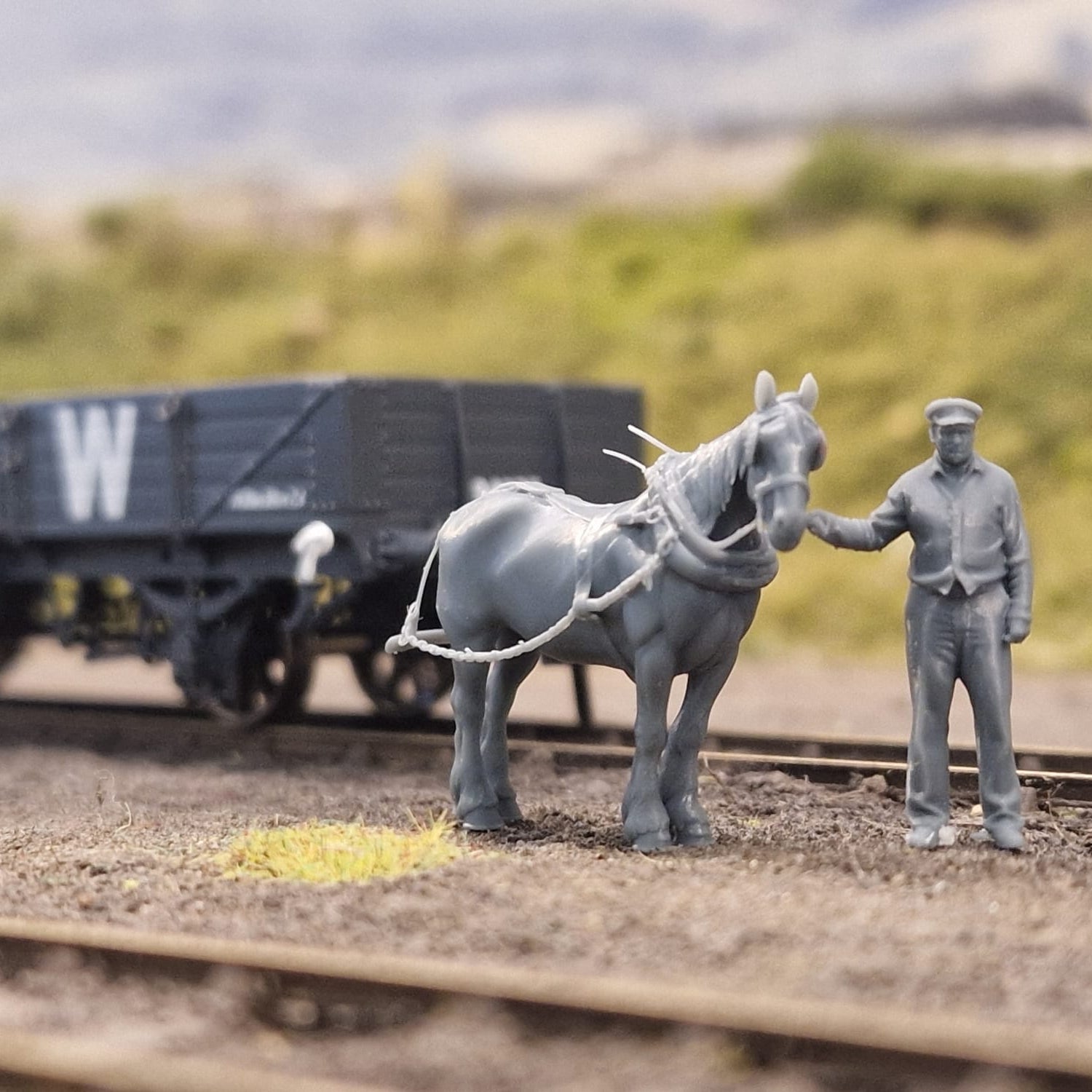
SHUNTING PONIES
Shunting horses were used for over 100 years – the last one being at Newmarket, where it was used to shunt thoroughbreds in their horseboxes until it was retired in 1967.
Shunting ponies required regular feeding, grooming and stable care, with farriers attending to their hooves and replacing shoes as needed. Their upkeep formed an important but often overlooked part of everyday yard operations.

31305 Shunting Pony and Shunter


1366 Farrier Shaping a Horseshoe
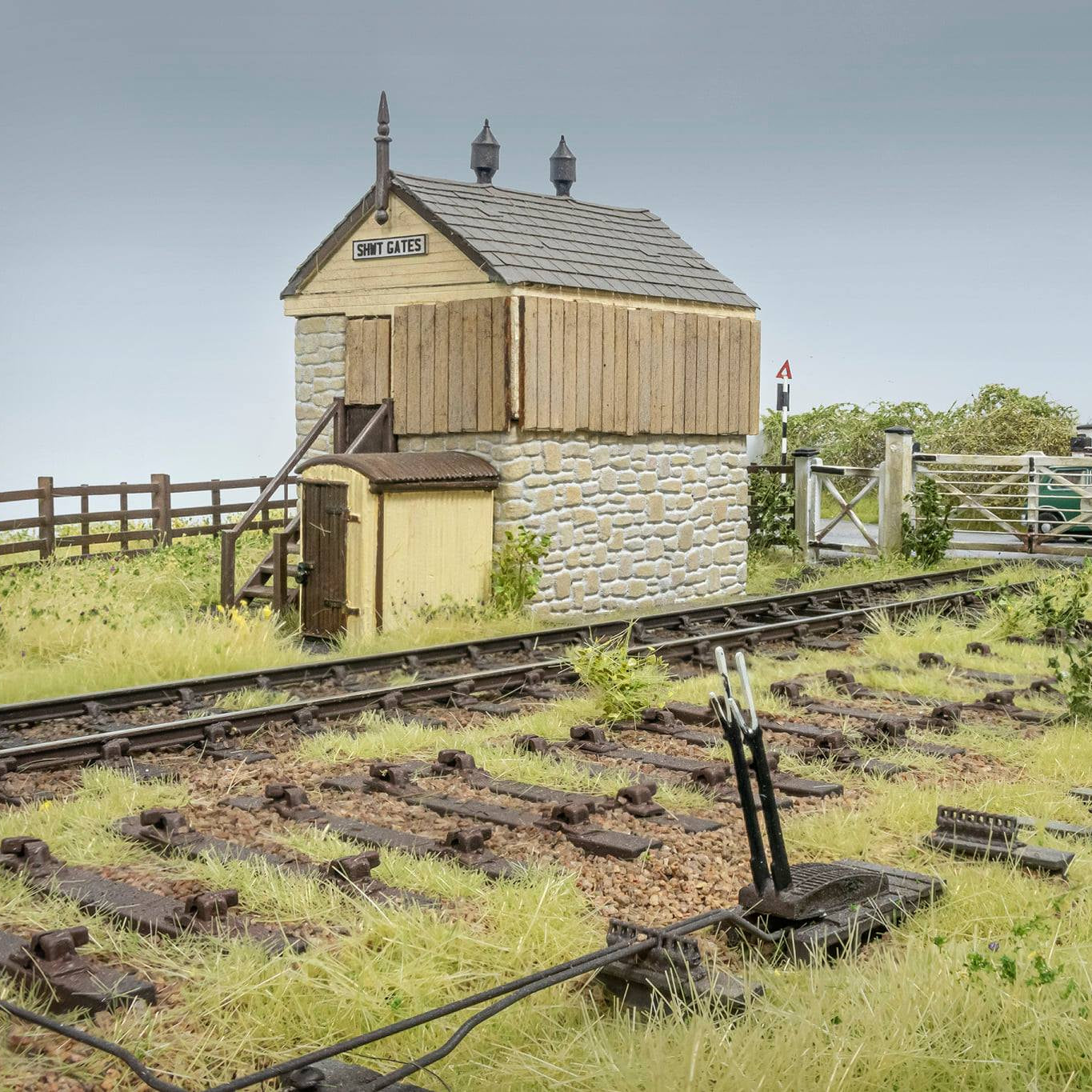
SIDING POINT OPERATION
Points in goods yards and depots were often operated locally by hand levers, allowing shunters to set the route before a movement took place. Their position and use are an important detail in recreating a convincing working yard.
Image courtesy of John Chivers


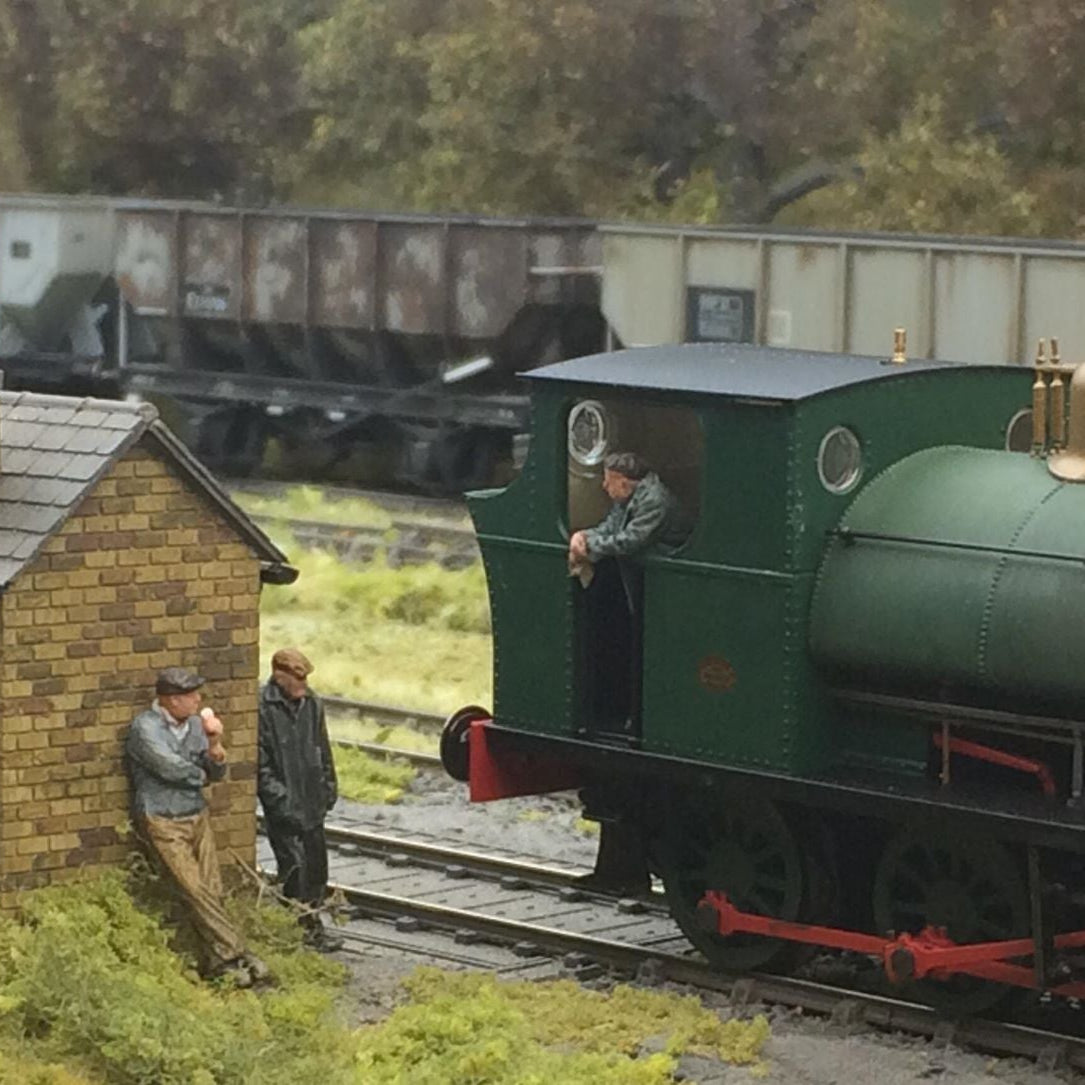
STEAM ERA SHUNTER DRIVERS
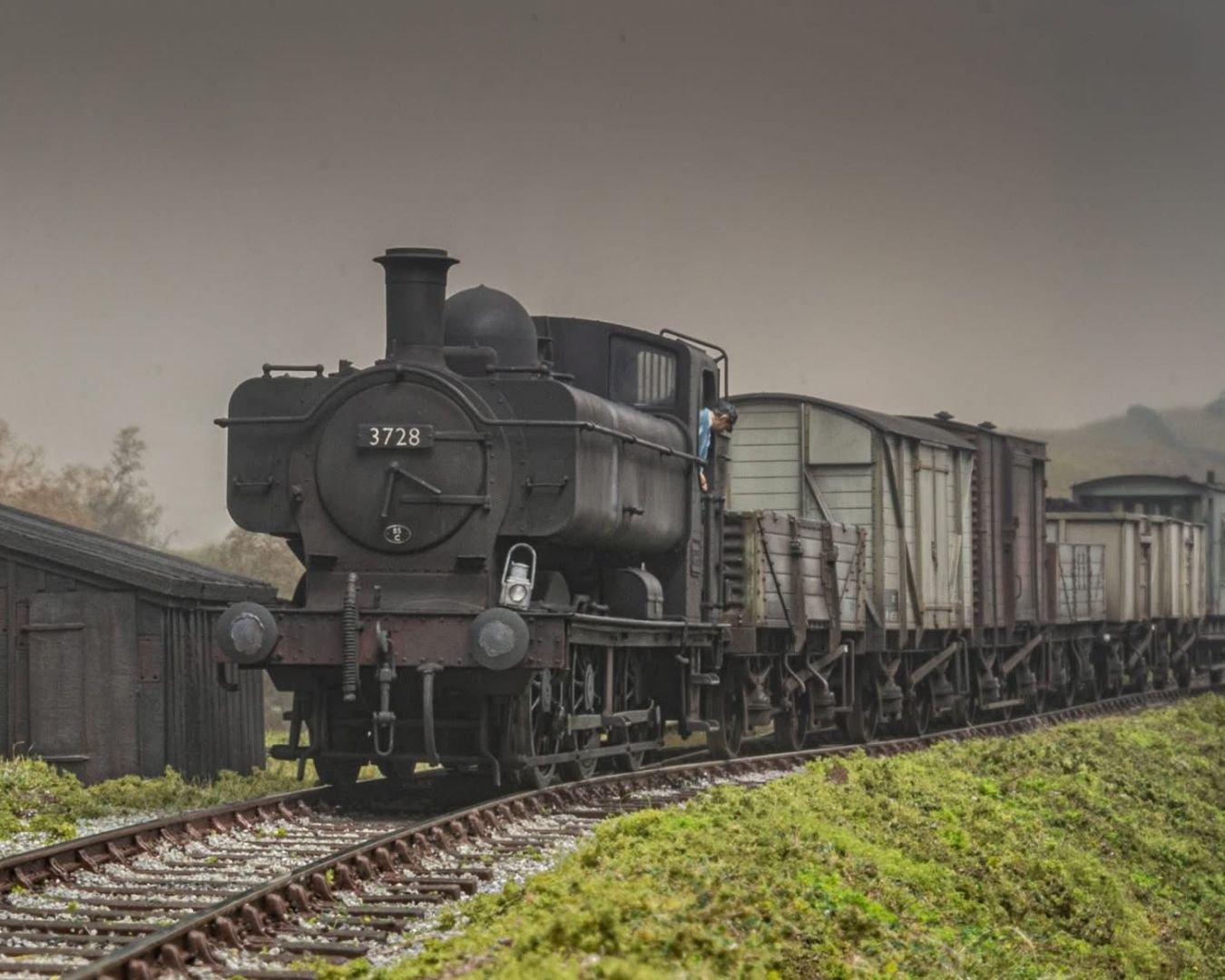
Shunting drivers often leaned from the cab to maintain sight of the shunter and respond to hand signals. The work involved short bursts of careful movement, often separated by long periods waiting for points, couplings or loading operations.
Image courtesy of Paul Marshall-Potter


INDUSTRIAL SHUNTING STAFF
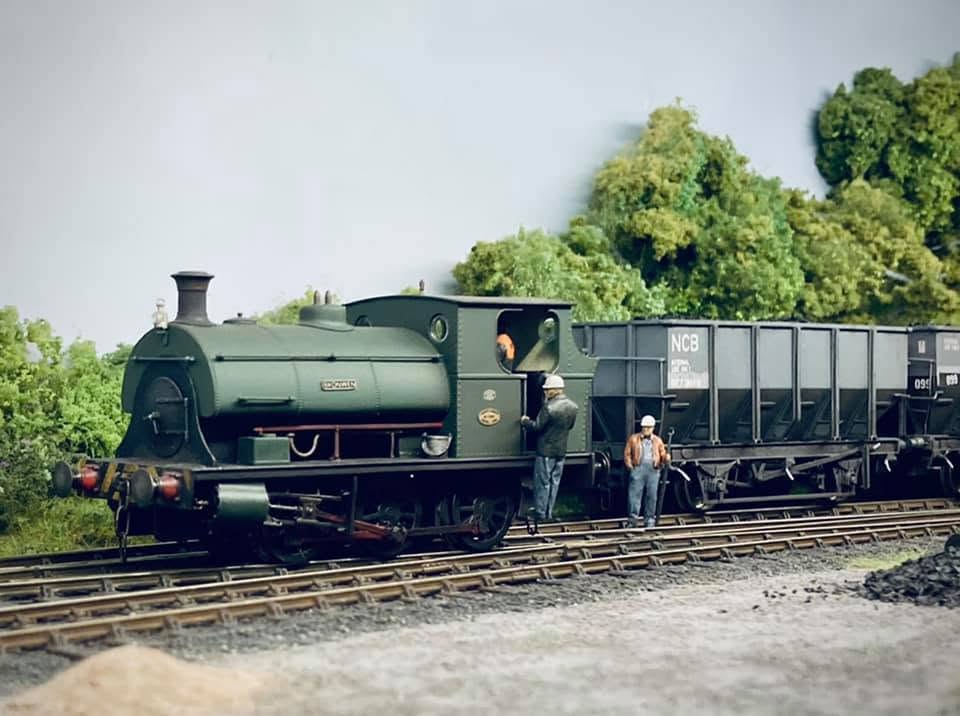
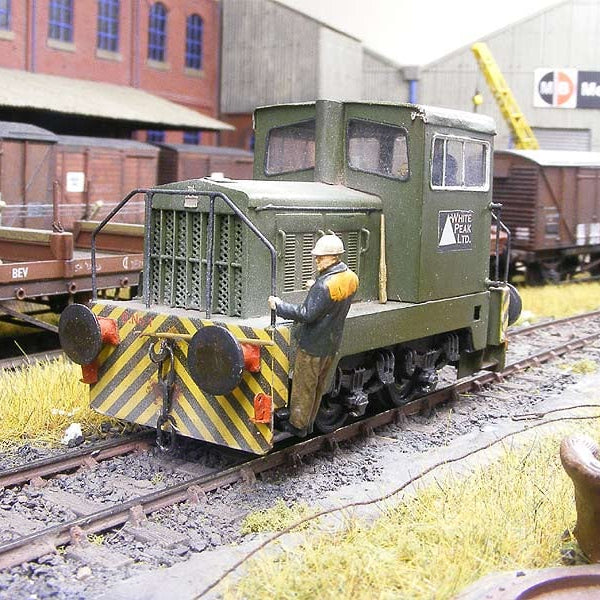
Industrial shunting staff worked in demanding environments, using poles and hand signals to control wagon movements. Their clothing reflected the risks around them, from heavy workwear and helmets to later high-visibility jackets, gloves and other protective equipment.
Image courtesy of Dave Hall


1480 Shunter with shunters pole


11417 Manning Wardle L Class Late Crew


11416 Manning Wardle L Class Early Crew


11415 Hudswell Clarke 0-6-0

11298 Port of Par Bagnall Crew

11297 Port of Par Bagnall Twin Pack


11296 Andrew Barclay Fireless Crew


11295 Andrew Barclay Fireless Crew

10238 Class 02 Industrial Crew
BRITISH RAIL SHUNTING STAFF
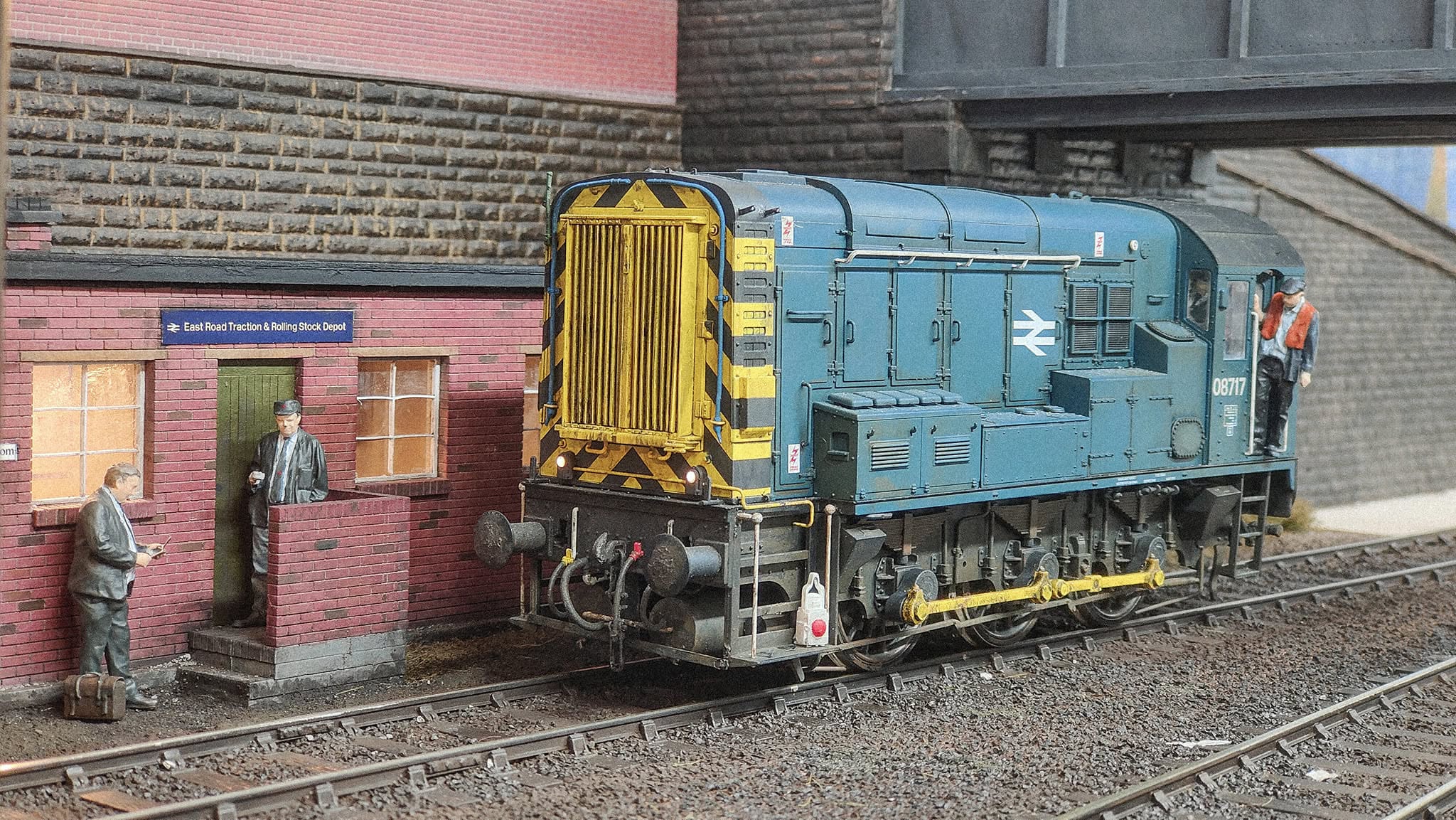
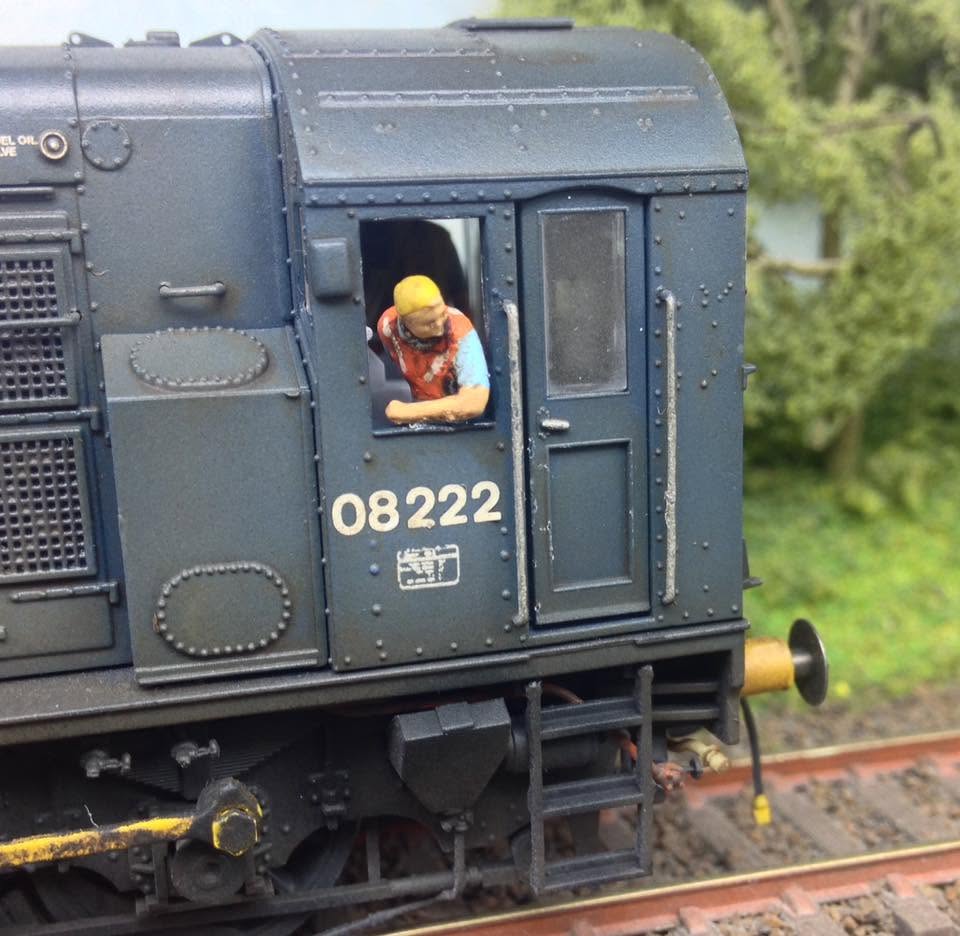
British Rail shunters commonly worked alongside Class 08 and other shunting locomotives, with later crews wearing high-visibility bibs or jackets. Traditional tools such as shunter’s poles, brake sticks and hand signals remained in use well into the diesel era.
Image courtesy of GC Weathering


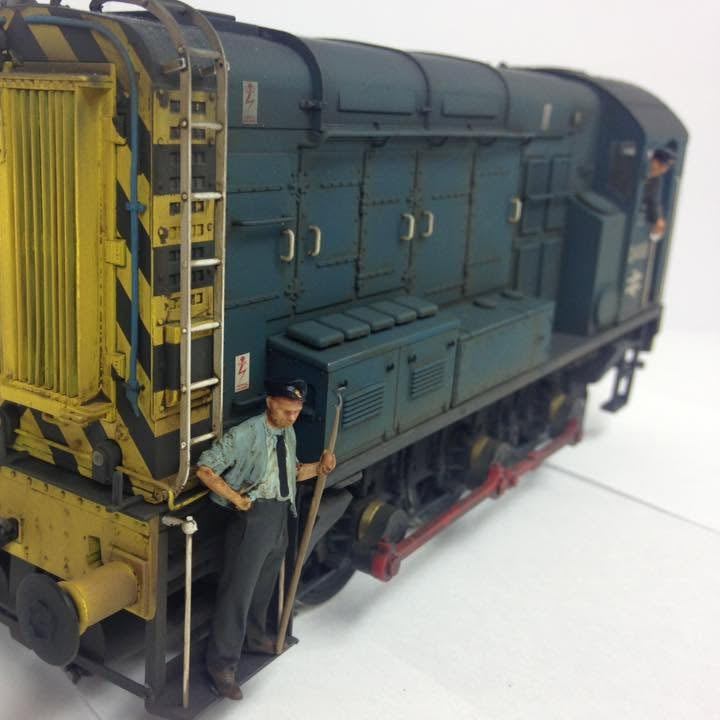
BR DIESEL SHUNTER CREW
Image courtesy of GC Weathering


10223 Class 08 Crew Pack PRE-TOPS & TOPS
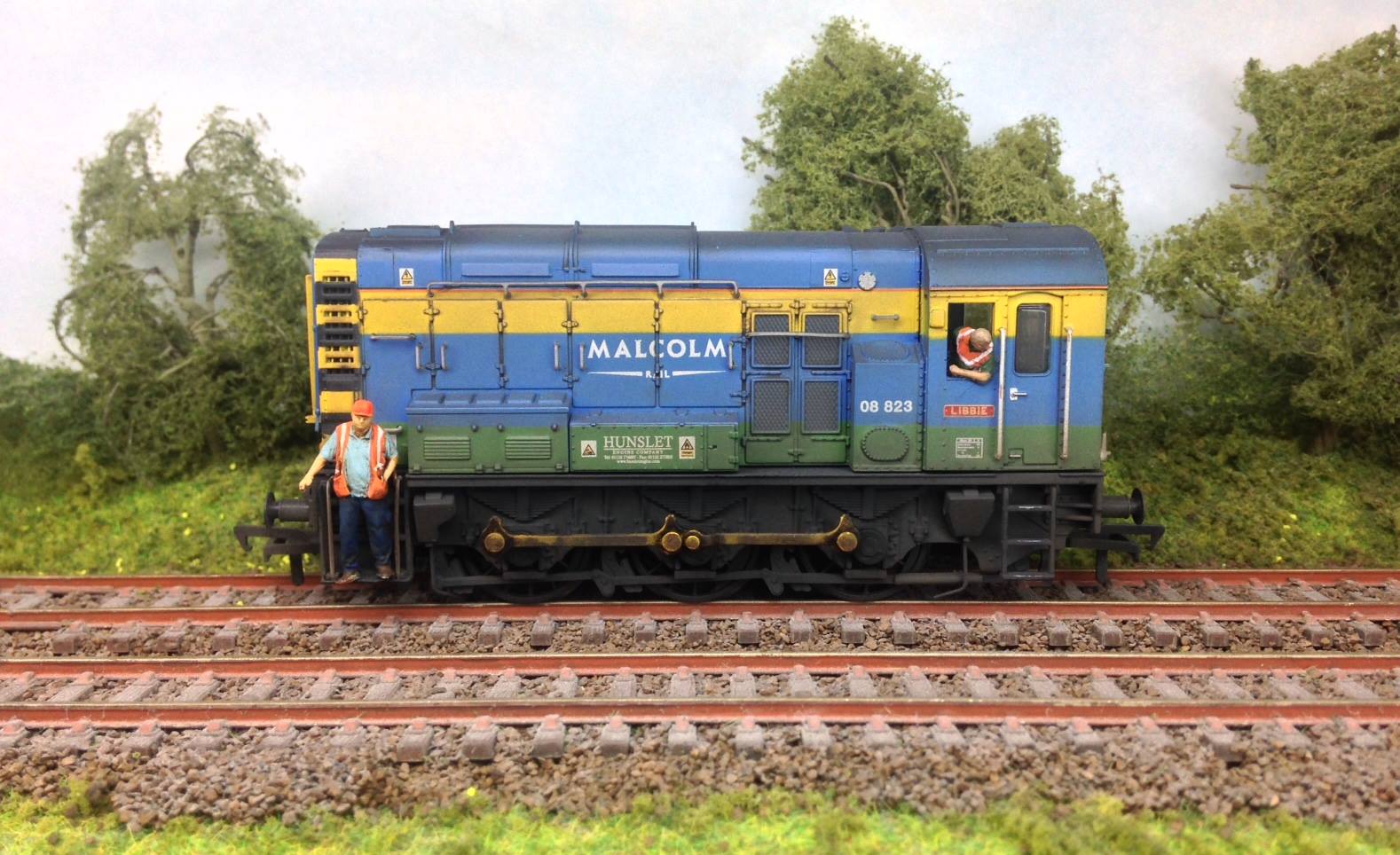
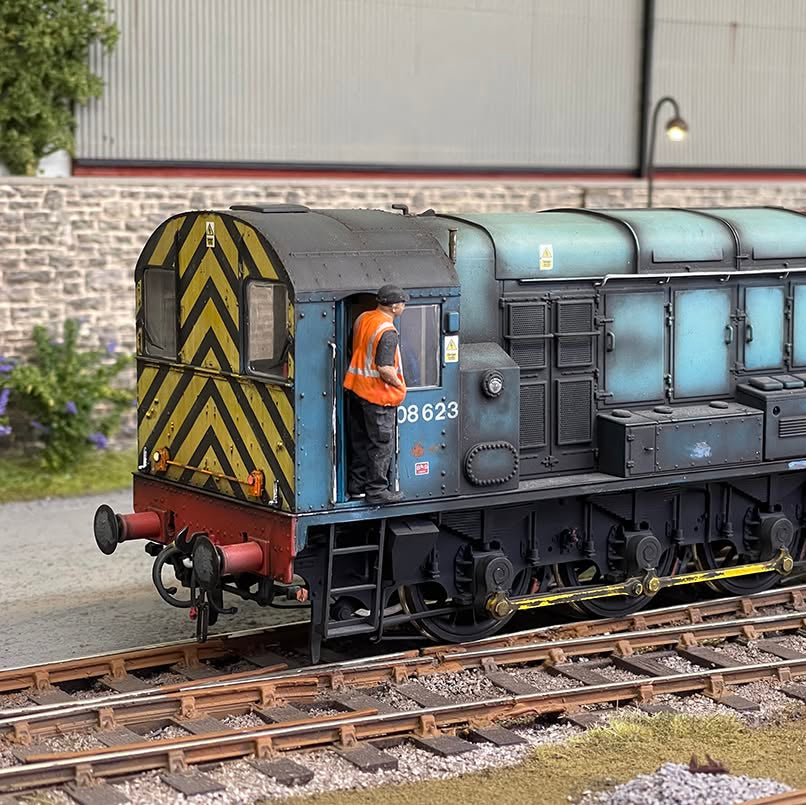
MODERN ERA SHUNTING STAFF
Modern shunting crews, including staff scanned from Colas Rail, use radios to coordinate movements while wearing high-visibility clothing, gloves and bump caps suited to today’s safety requirements.
Image courtesy of GC Weathering




SHOW US YOUR SHUNTERS
We’ve shown you our scenes, now it’s your turn!
Share your photos with us on social media using #Modelu for a chance to be featured in in our customer spotlight below.


