

STEAM SHEDS
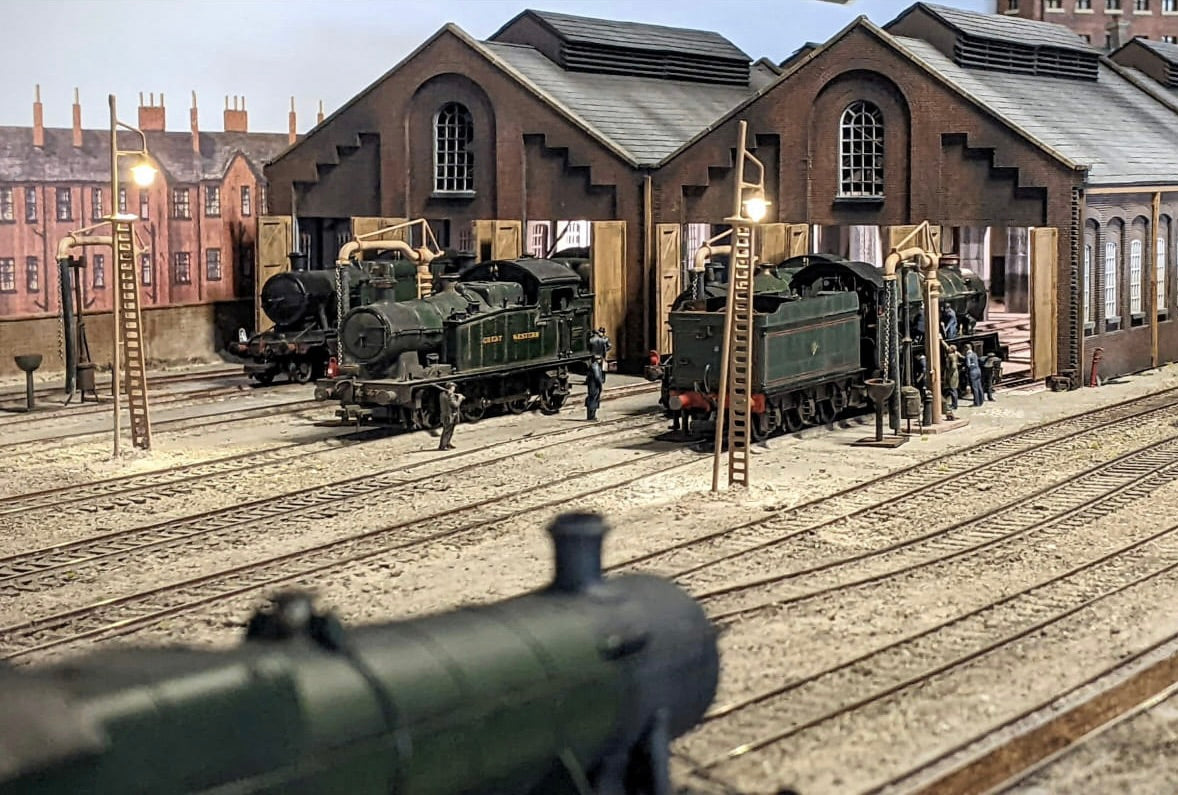
Step inside a Great Western Railway steam shed and see how our detailed Modelu figures and accessories bring every stage of a locomotive’s working day to life.
A loco MPD is a busy place, with an army of attendants maintaining a fleet of locomotives. There existed a whole host of crafts, skills and arts, some of which are described below. Here we follow GWR 2800 Class No 2857 as it starts its day, and as it returns to shed.
Thanks to Dan Evason for the figure painting and photography.
SCENES FROM THE SHED
Explore scenes inspired by the daily life of a working steam shed, recreated in miniature with our figures and accessories
LIGHTING UP
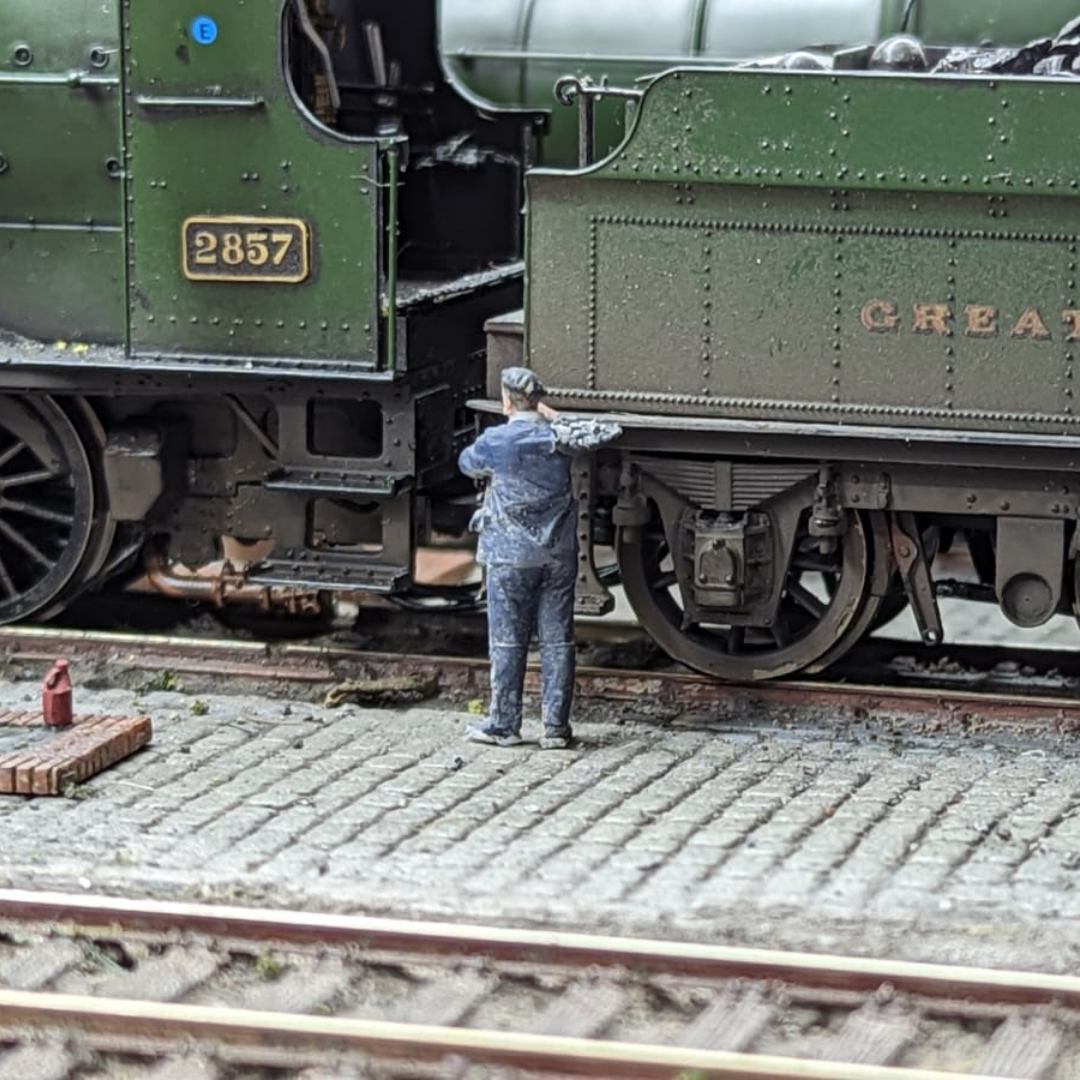
A Firelighter, or ‘Lighter-Up’, used bundles of wood and oily cotton waste to start the lighting-up procedure, a process that could take around five hours to raise steam. While the fires built up, he would keep a watchful eye on other engines standing in steam, checking their water levels and the state of their fires.
Scenes like this capture the quiet anticipation of the early morning shed, a chance to add subtle atmosphere.

11302 Fire Lighter or Steam Raiser


CREW BOOKING ON
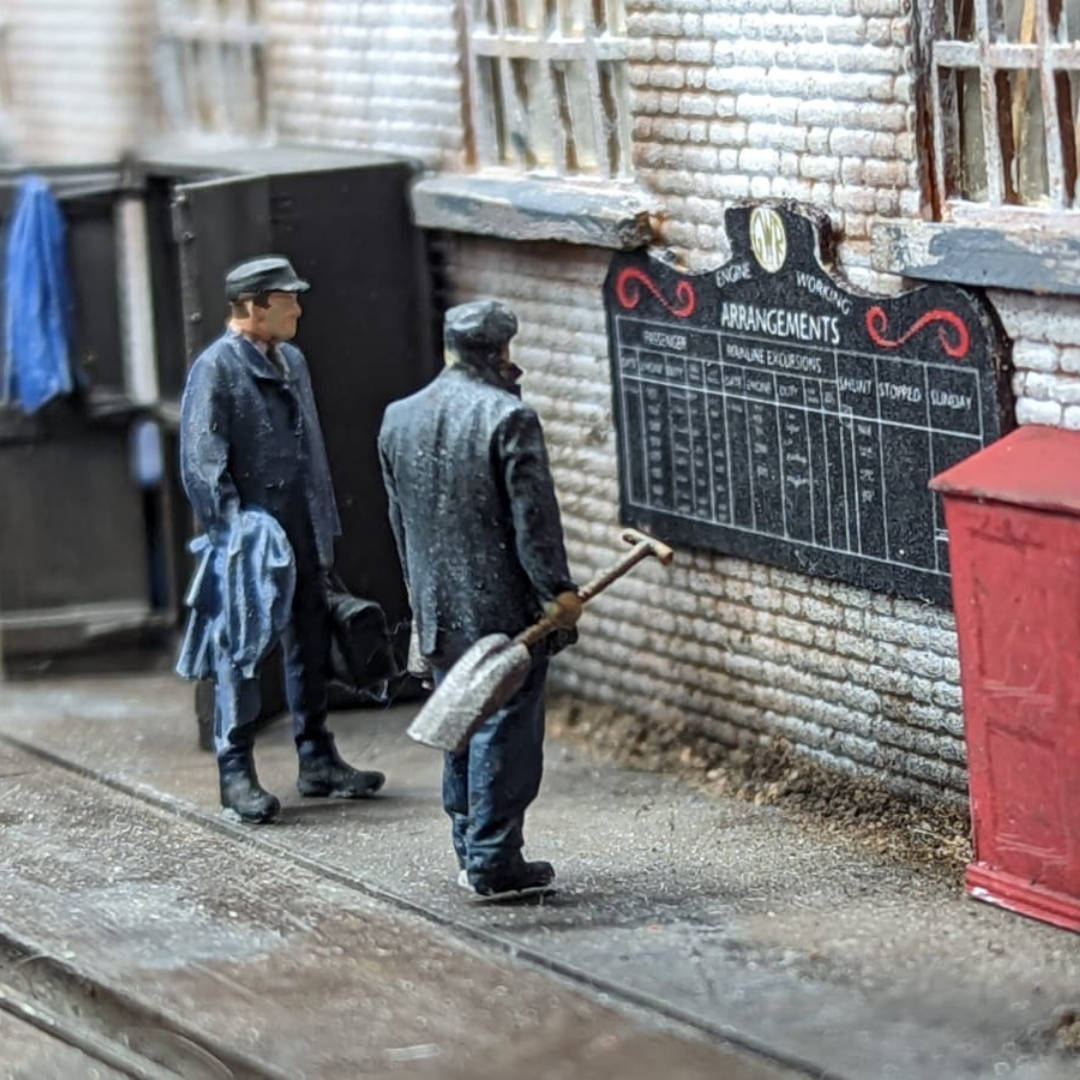
Driver and Fireman arrive on-shed and book on for duty, reading the day’s diagrams and checking any late notices before collecting lamps, oil, tools and other materials from the stores. Their locomotive is already in steam and waiting for them outside the running shed.


CREW PREPARATION
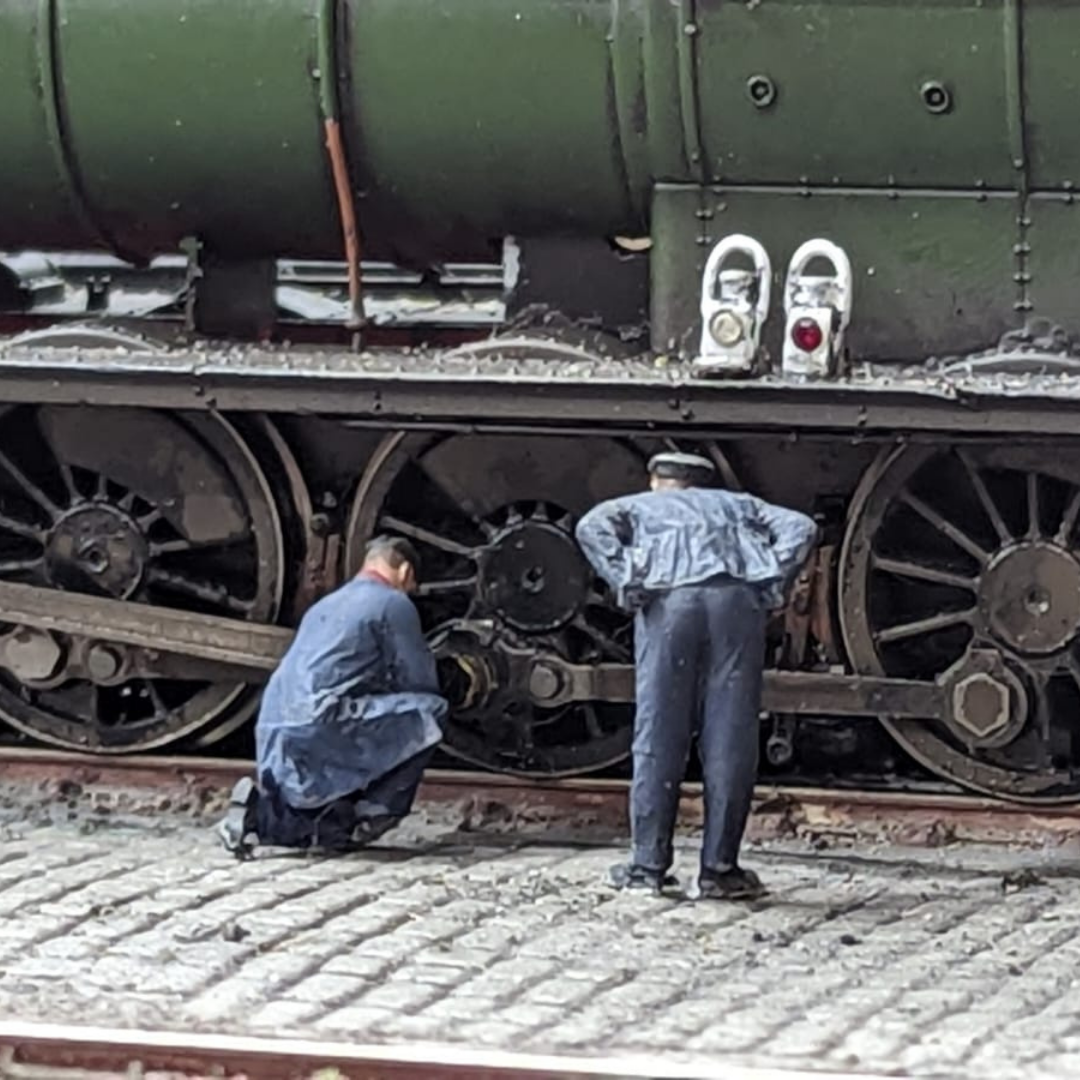
The Fireman checks the fire to see that it is burning freely, inspects the water level in the boiler and walks around the engine to check sandboxes, pipes and lamps before returning to the footplate. The Driver oils all accessible parts, including the tender, and checks springs and bolts to ensure everything is in order.


WATER & OFF SHED
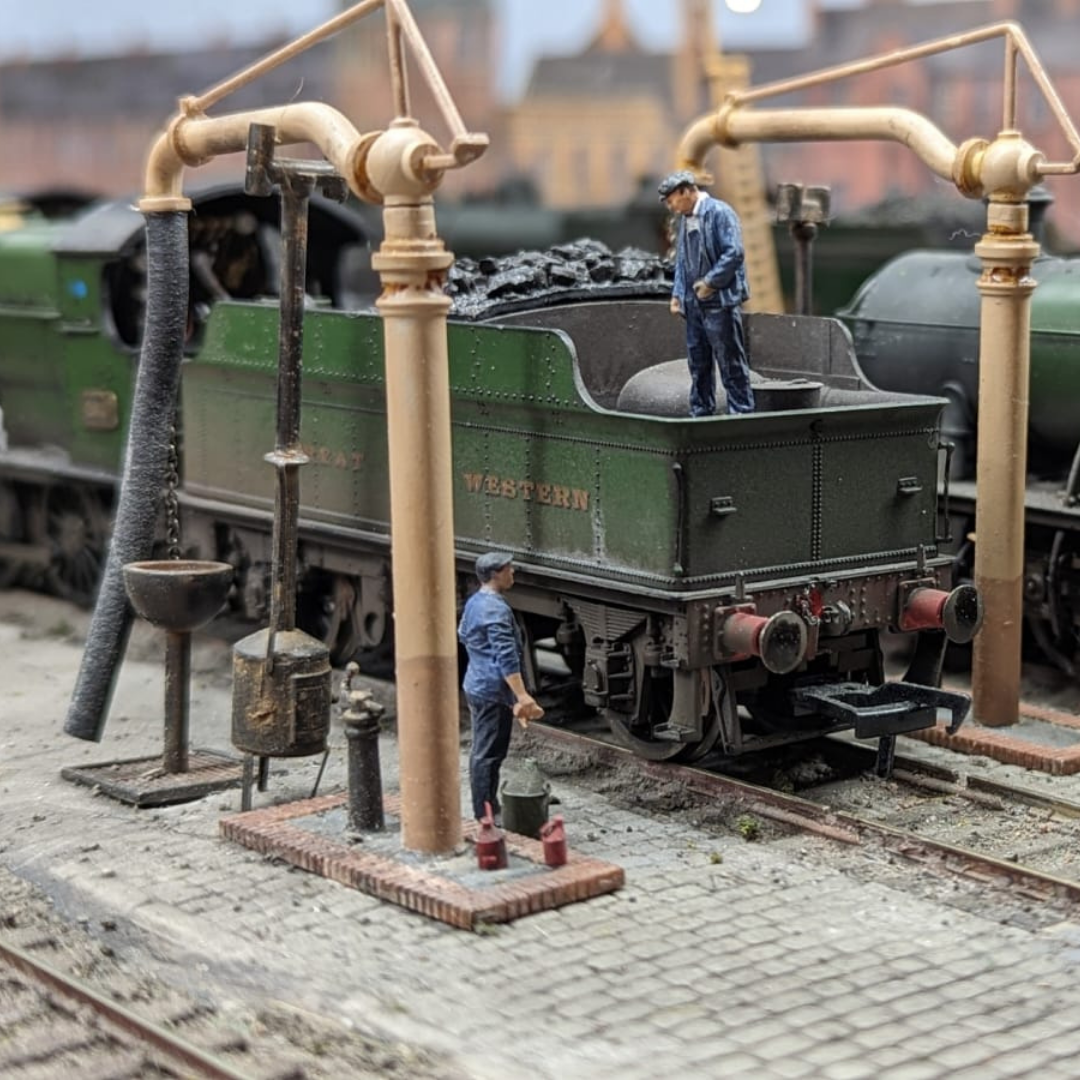
With the locomotive prepared, the crew draw up to the water column to fill the tender. The Fireman climbs up to open the filler lid while the Driver pulls the column into place to start filling. Once topped up, the locomotive heads off shed to begin its day’s working.

2771 GWR Cranked Standard Arm Water Crane


ON SHED & TURNING
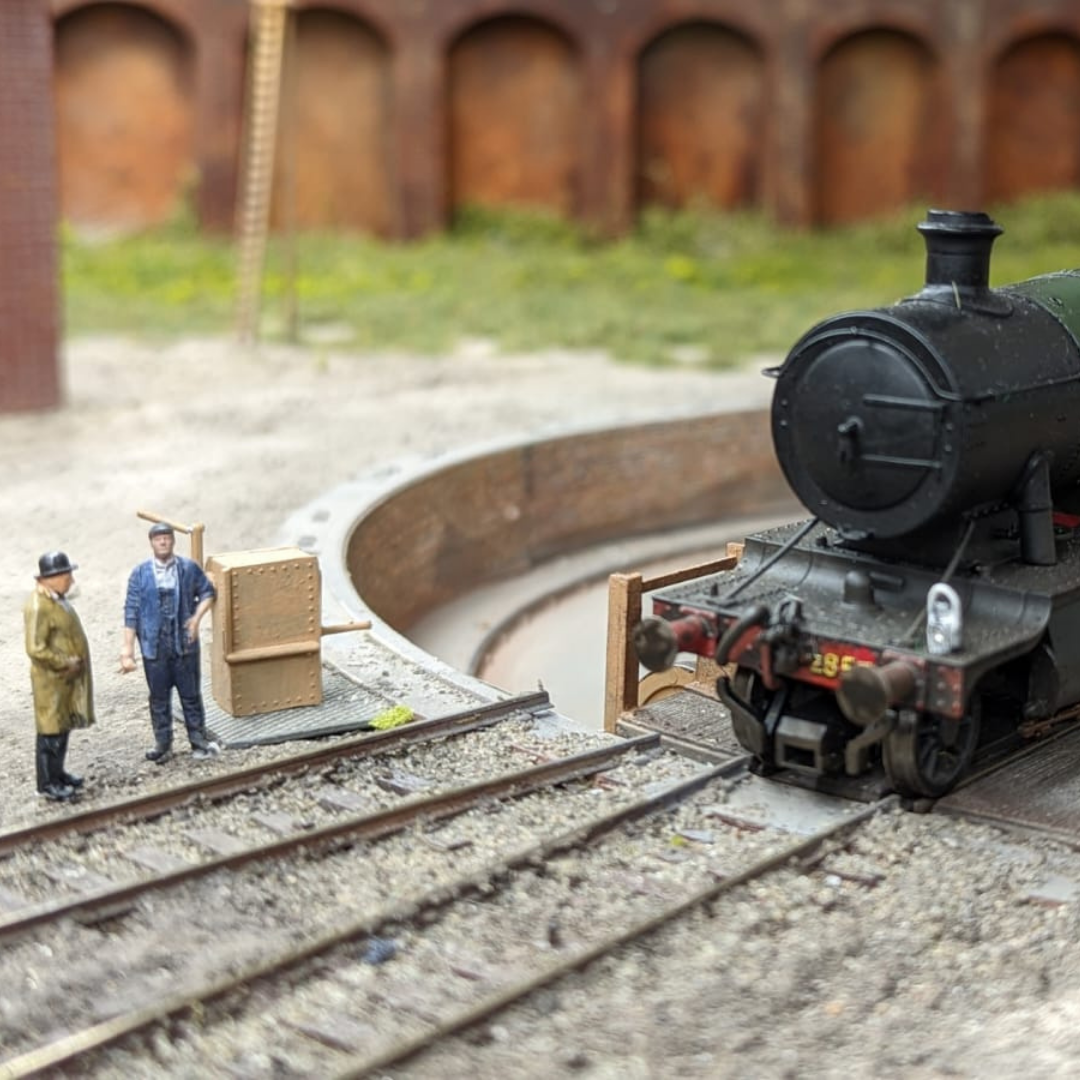
After finishing its diagram, the locomotive is returned to the depot by the train or relief crew and handed over to the Shed Turner, who controls the movements of all engines around the yard. With the daily duty roster in hand, he marshals serviced engines and positions them for later work.

ASH PITS
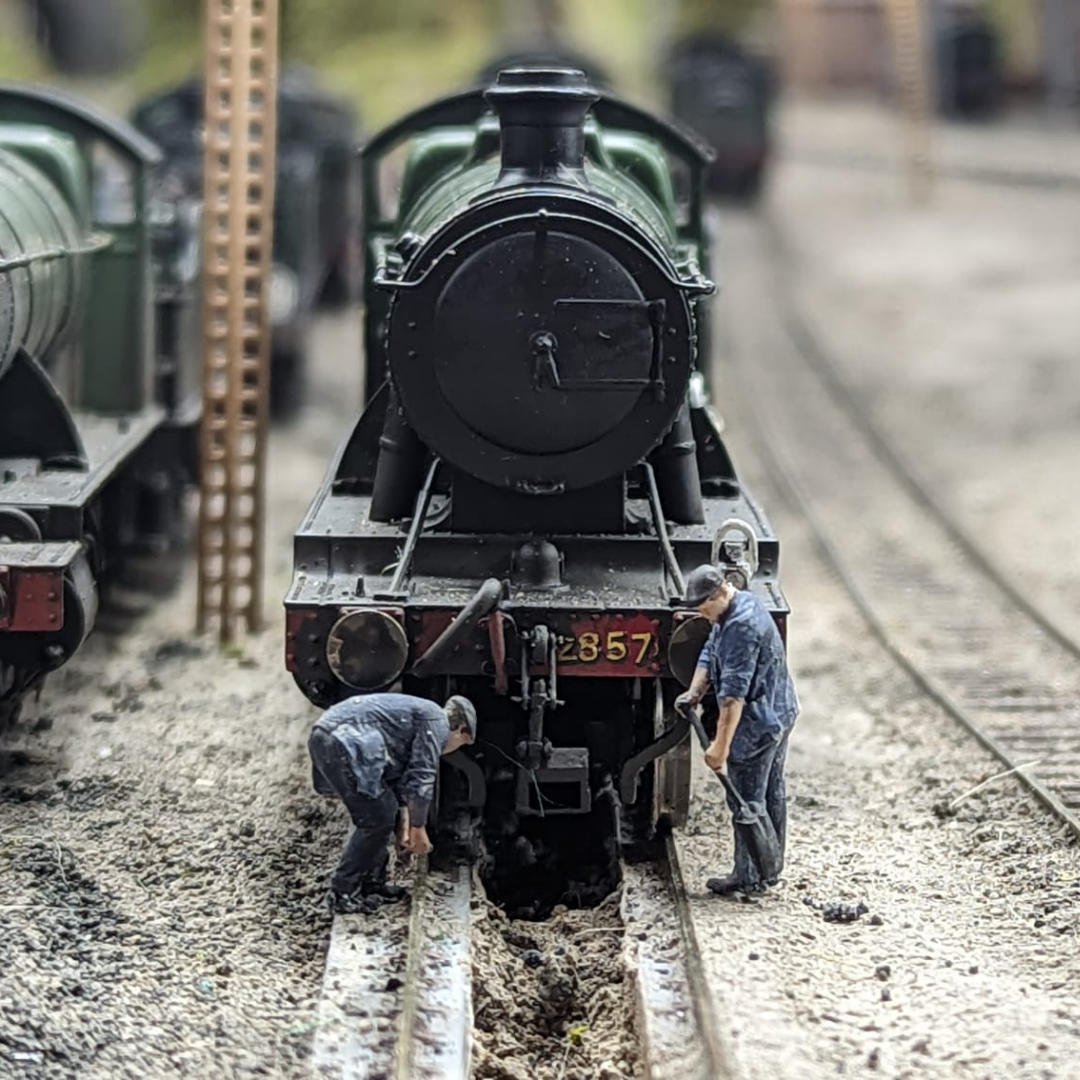
On the ash road, the Firedropper cleans the firebox using a long-handled shovel and pricker to remove clinker and ash from the firebars. He damps down the ashpan with a hose and rakes it clear before moving to the smokebox to shovel out the remaining cinders. Tube cleaners then take over and finish the job with a steam lance.

2756 Tender Engine Fire Iron Set


COALING
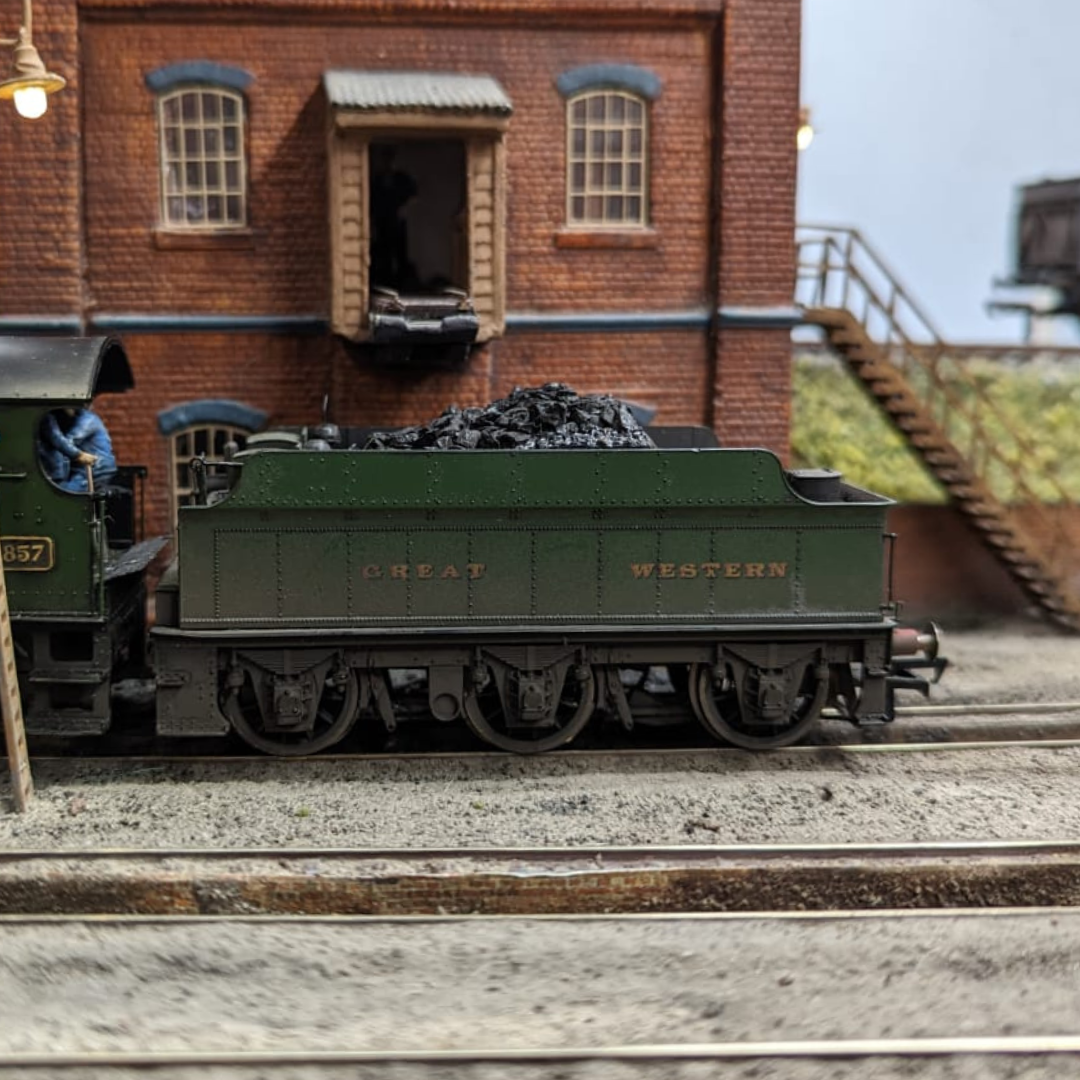
With the fire and smokebox cleaned, the locomotive is shunted under the coaling stage where the Coalers fill the tender. Once complete, the Shed Turner moves the locomotive into the shed and parks it over a pit ready for its next duty.


2747 GWR Coaling Stage Ramps x2

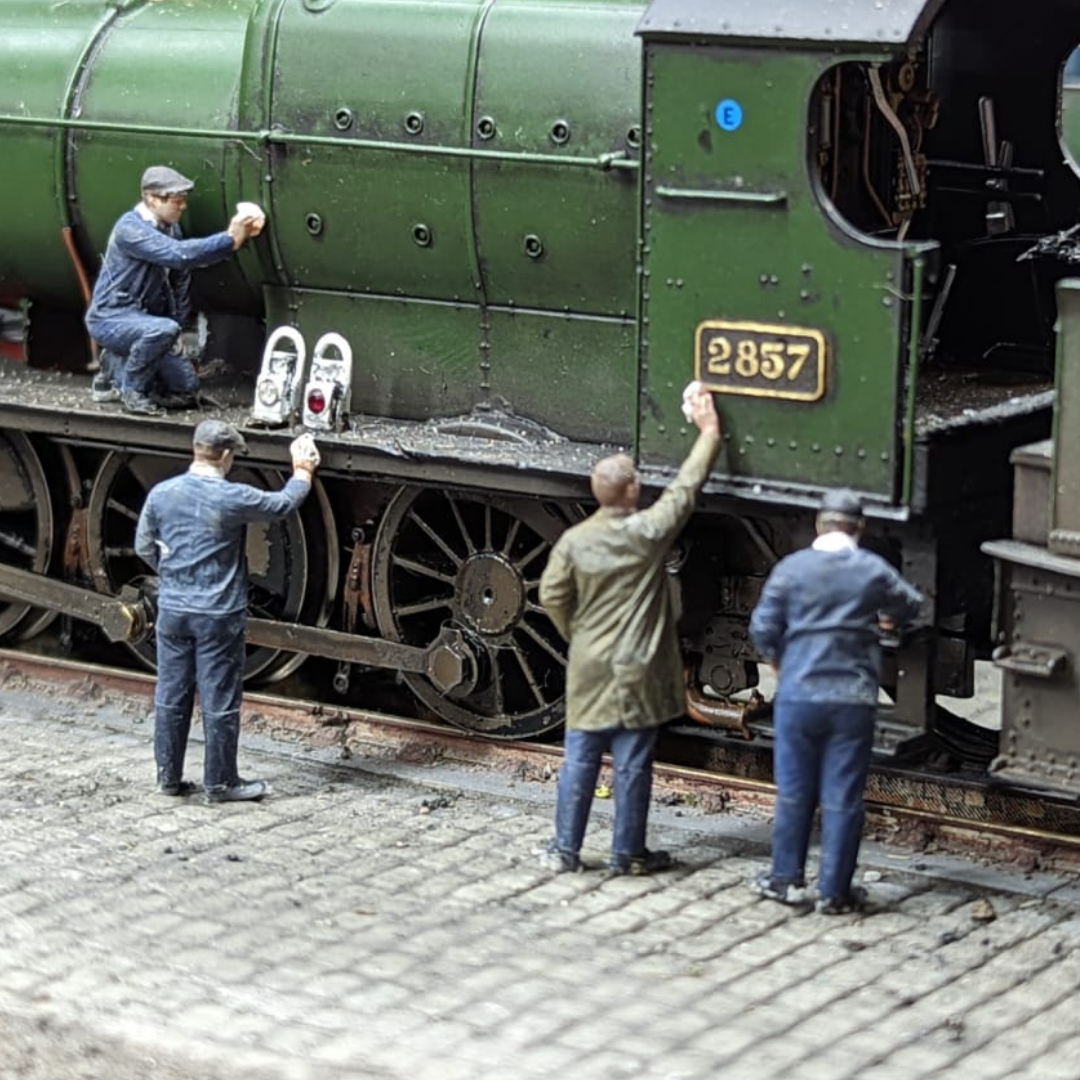
CLEANERS
Next, the locomotive is attended to by the team of cleaners, who start on the wheels and motion, cleaning them with cotton waste.
These naturally become oily and are therefore ideal for polishing the upper parts of the locomotive. Finally, the brasswork is shined, and the engine is left resplendent for its next duty.


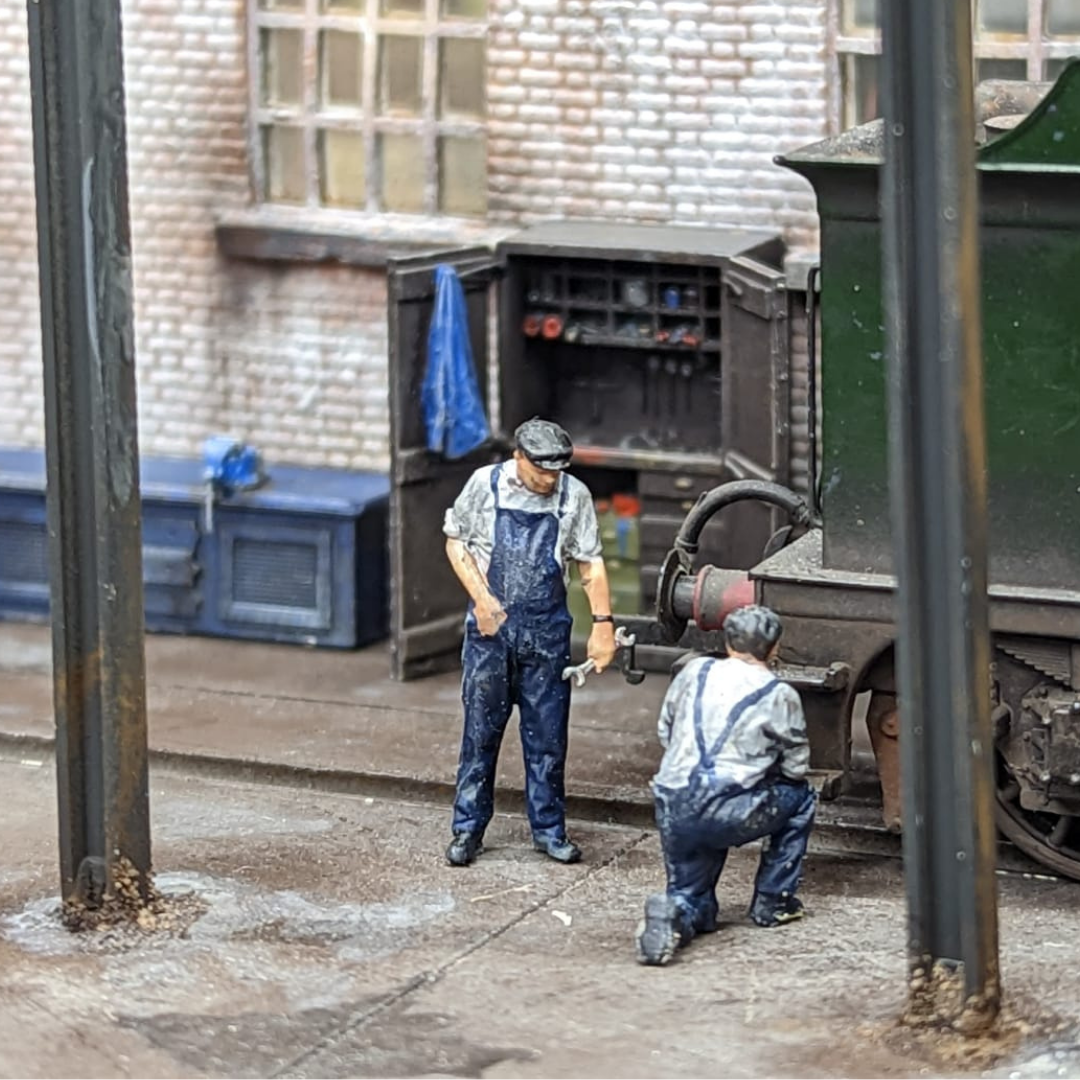
BOILERSMITHS & FITTERS
If the Driver or Fireman discovered any faults during the day’s running, the locomotive would be taken out of service and handed over to the Fitters for repair. Routine maintenance was also carried out regularly, including oiling, tightening bolts and checking moving parts. Weekly, the boiler would be emptied and washed out under the supervision of the Boilersmith, who inspected for cracks or leaks.
This side of shed work provides plenty of modelling potential - tool benches, open cabinets and figures at work bring a sense of realism and technical authenticity to a layout scene.


SHOW US YOUR SHEDS
We’ve shown you our scenes, now it’s your turn!
Share your photos with us on social media using #Modelu for a chance to be featured in in our customer spotlight below.


